Polygons
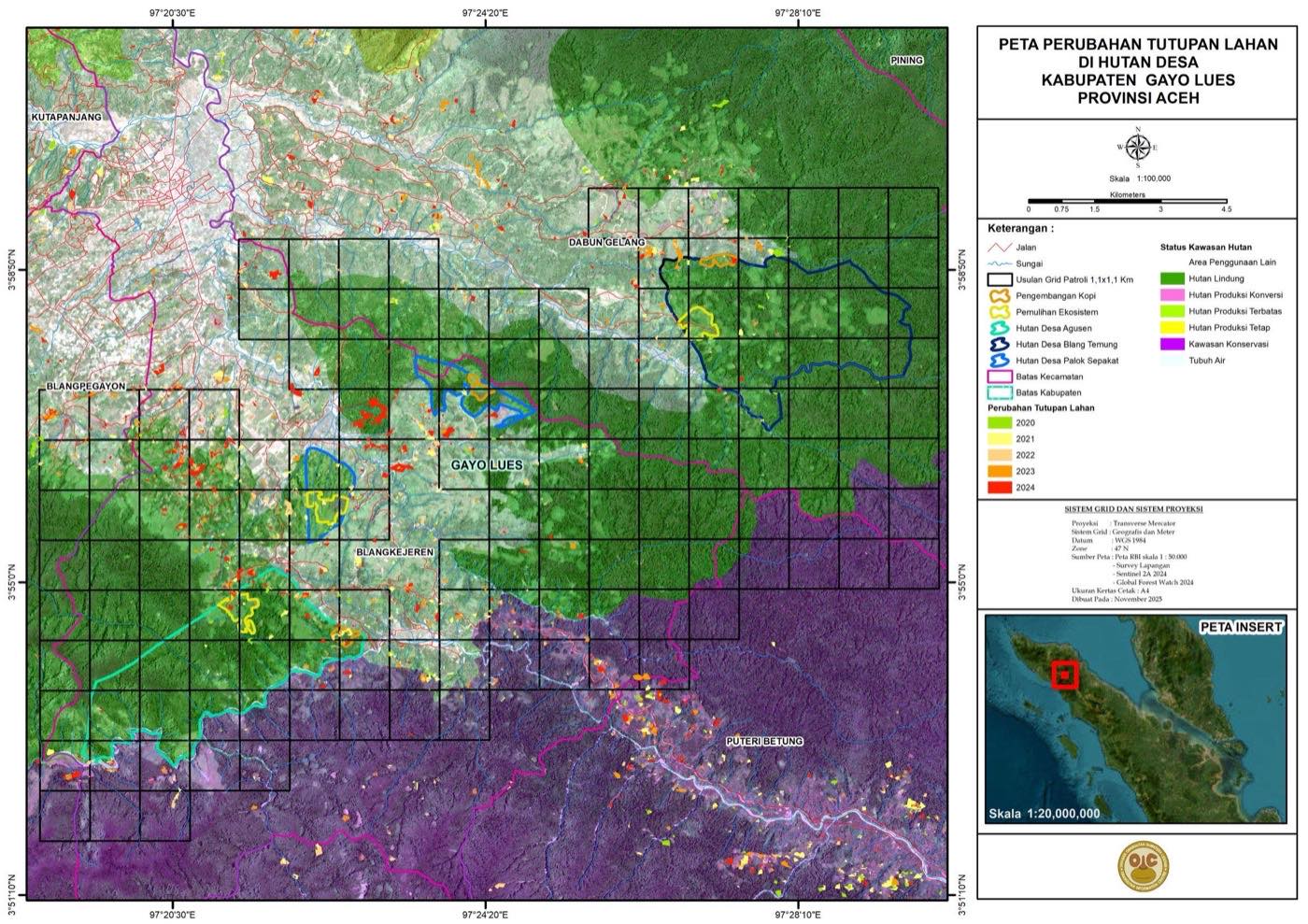
Each coffee plot, its buffer, and the primary forest beyond are mapped as GPS boundaries — partner-signed and held as data.
The difference between a forest lost and a forest held often comes down to a few dollars and cents. NoFilter exists to direct more of what you pay for your coffee straight to the people keeping it standing.
Most of what's sold to us comes from wherever it's cheapest to produce. And making coffee cheap can mean clearing forests, replacing them with coffee, and turning a living, thriving ecosystem into rows and rows of the same thing.
Because to us, it makes zero sense to buy coffee grown on stripped landscapes when there are forests full of life — under serious threat — that could use the support.
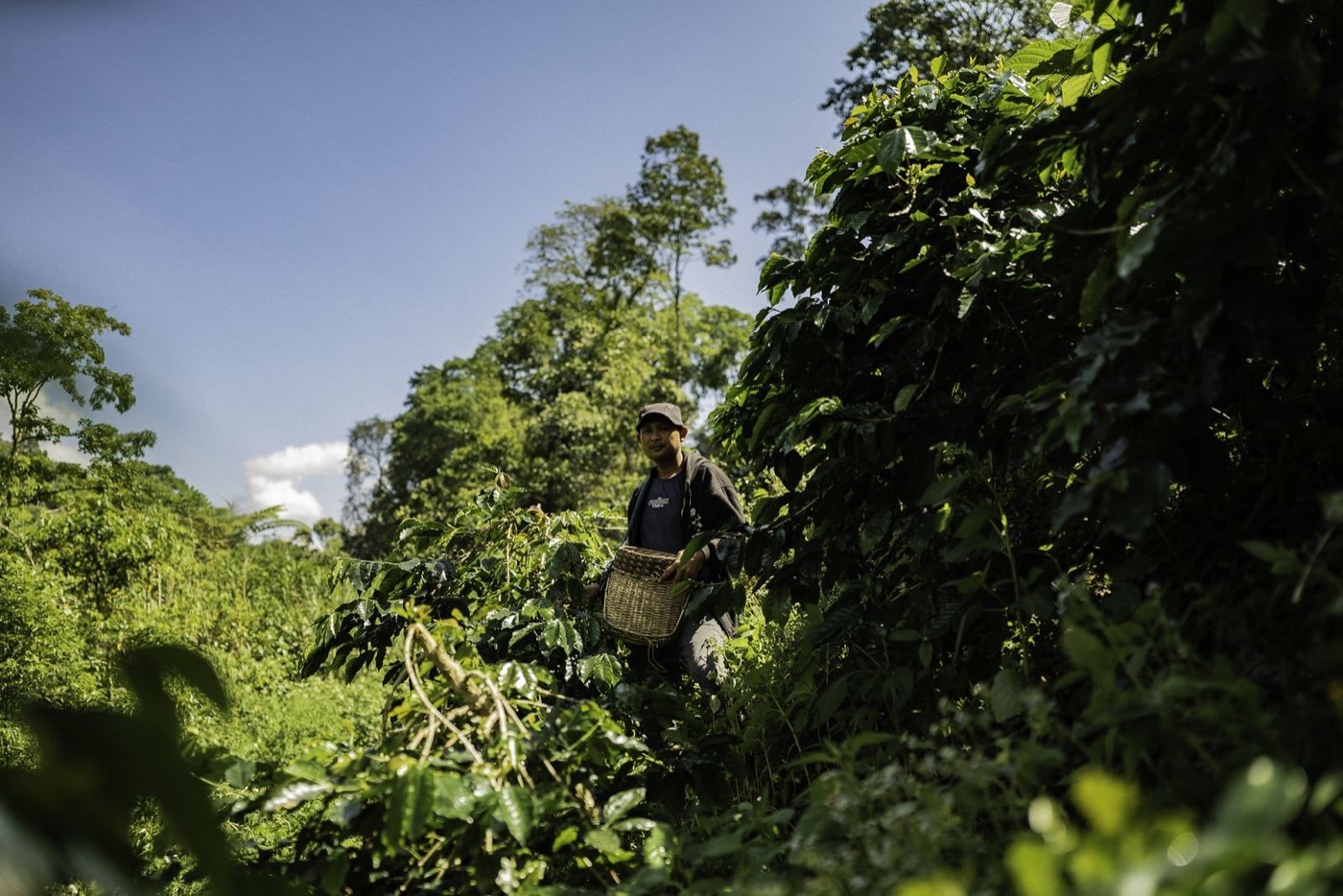
Your purchase helps support the smallholder farmers growing coffee under canopy, and the on-the-ground NGOs running conservation and agroforestry projects along the exact forest edge your beans came from. It also helps fund a system that's accountable, verifiable and repeatable, year after year.
If you’re part of an office, café, hotel, school or zoo looking for coffee worth serving, this is for you. We fit the machines, service them, and keep the coffee coming — with the conservation contribution written into the same invoice, mapped to a boundary anyone can check, and chain of custody for Scope 3.
If you’re brewing at home or at your desk, this is for you. Four single-origin roasts, each mapped to an active forest boundary, in 250g and 1kg. A flat 10% of every bag goes to the NGO partner holding that boundary.
The same words in every option — the problem, the answer, and the founder's note — so what differs below is the telling, not the content. Pick one; the other two come out.
Why NoFilter exists · the whole argument
NoFilter exists to direct more of what you pay directly to the people keeping it standing. The problem is, what you pay is already going somewhere — and not in the right direction.
Most of us are already funding the system that clears the trees. Because most of the coffee we drink is grown where it can be produced cheapest — and growing coffee cheaply usually means making the land as efficient as possible. Trees cleared. Shade removed. Coffee planted to the horizon.
And because all of that happens long before the coffee reaches us, there's rarely anything on the bag — or in the cup — to tell us what our coffee is helping pay for.
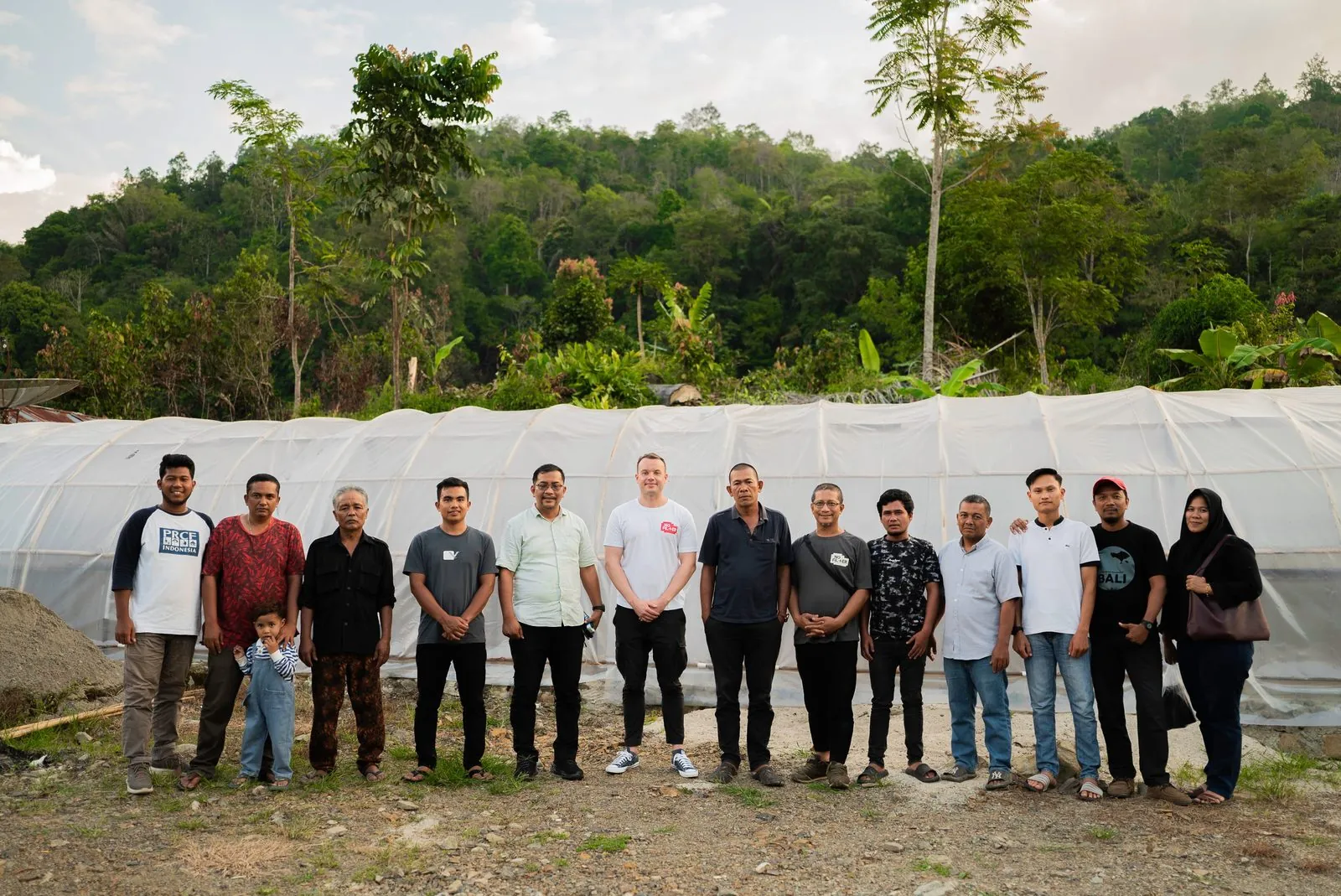
We buy from the edges of forests that are still under pressure — places with species found nowhere else, and where coffee is already part of how people live.
A share of every sale goes to the NGO holding that boundary. By contract, on every invoice — not a donation at the end of the year.
The point is to help farmers build a living around the forest, rather than further into it.
The world doesn't need more cheap coffee. It needs livelihoods on the edge of the forests still under pressure.
Every coffee we source grows in the agroforestry that hems a forest under pressure — Batang Toru, Leuser, the Arakan highlands — ripening under standing canopy rather than on the bare ground left where forest falls. That agroforestry is the line itself: a living, working edge, tended by the people who farm it, that holds the clearing back. And it only holds while the coffee finds a buyer.
So your order is never a gesture — it funds the NGO partners who keep that edge alive, shelters the forest and the flagship species that call it home, and gives the families under the canopy a reason to let the trees stand.

They're already going somewhere. And not in the right direction.
Most of us are already funding the system that clears the trees. Because most of the coffee we drink is grown where it can be produced cheapest — and growing coffee cheaply usually means making the land as efficient as possible. Trees cleared. Shade removed. Coffee planted to the horizon.
Farms produce more. Supply is predictable. Coffee stays cheap. And because all of that happens long before the coffee reaches us, there's rarely anything on the bag — or in the cup — to tell us what our coffee is helping pay for.
NoFilter backs coffee from forests still standing.
We buy from the edges of forests that are still under pressure — places with species found nowhere else, and where coffee is already part of how people live. A share of every sale goes to the NGO holding that boundary. By contract, on every invoice — not a donation at the end of the year.
The point is to help farmers build a living around the forest, rather than further into it.
Signed — A. Clark · founder · filed from Batang Gadis, North Sumatra
Most coffee is grown where it can be produced cheapest — and cheap usually means the land made efficient. Trees cleared. Shade removed. Coffee planted to the horizon.
Farms produce more. Supply is predictable. Coffee stays cheap.
All of it happens long before the coffee reaches you — there's rarely anything in the cup to tell you.
Bought from the pressured edges — species found nowhere else, coffee already part of how people live. A share of every sale to the NGO holding that boundary, by contract, on every invoice.
That is the living we help farmers build — and the whole reason the line holds.
Behind each is a real canopy edge, a boots-on-the-ground conservation partner, and an active monitoring structure keeping that line held.
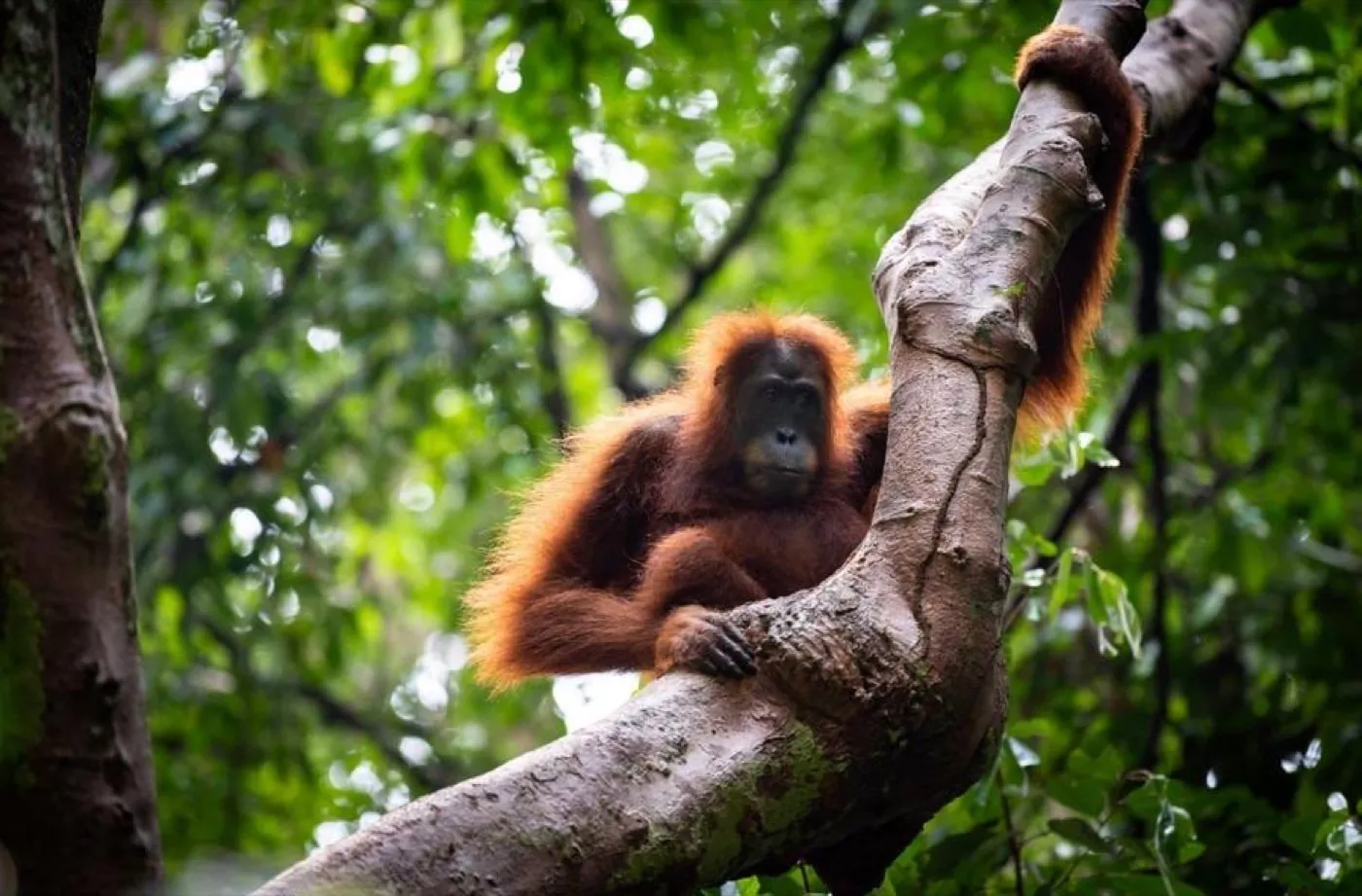
Sumatra’s Batang Toru forest is the last refuge of the Tapanuli orangutan. Safeguarding their habitat means investing in the farmers who border it.
Through wildlife conservation and agroforestry programmes led by local partners PRCF and OIC, NoFilter buys directly from smallholders in buffer villages like Sampean. To maximise community returns and coffee quality, processing is centralised in Tanjung Dolok through co-op wet-milling and drying infrastructure we’ve built on the ground. The result: exceptional coffee that turns sustainable agriculture into a frontline defence for wildlife.
In the forested mountains of western Myanmar, under a living canopy shared with the western hoolock gibbon.
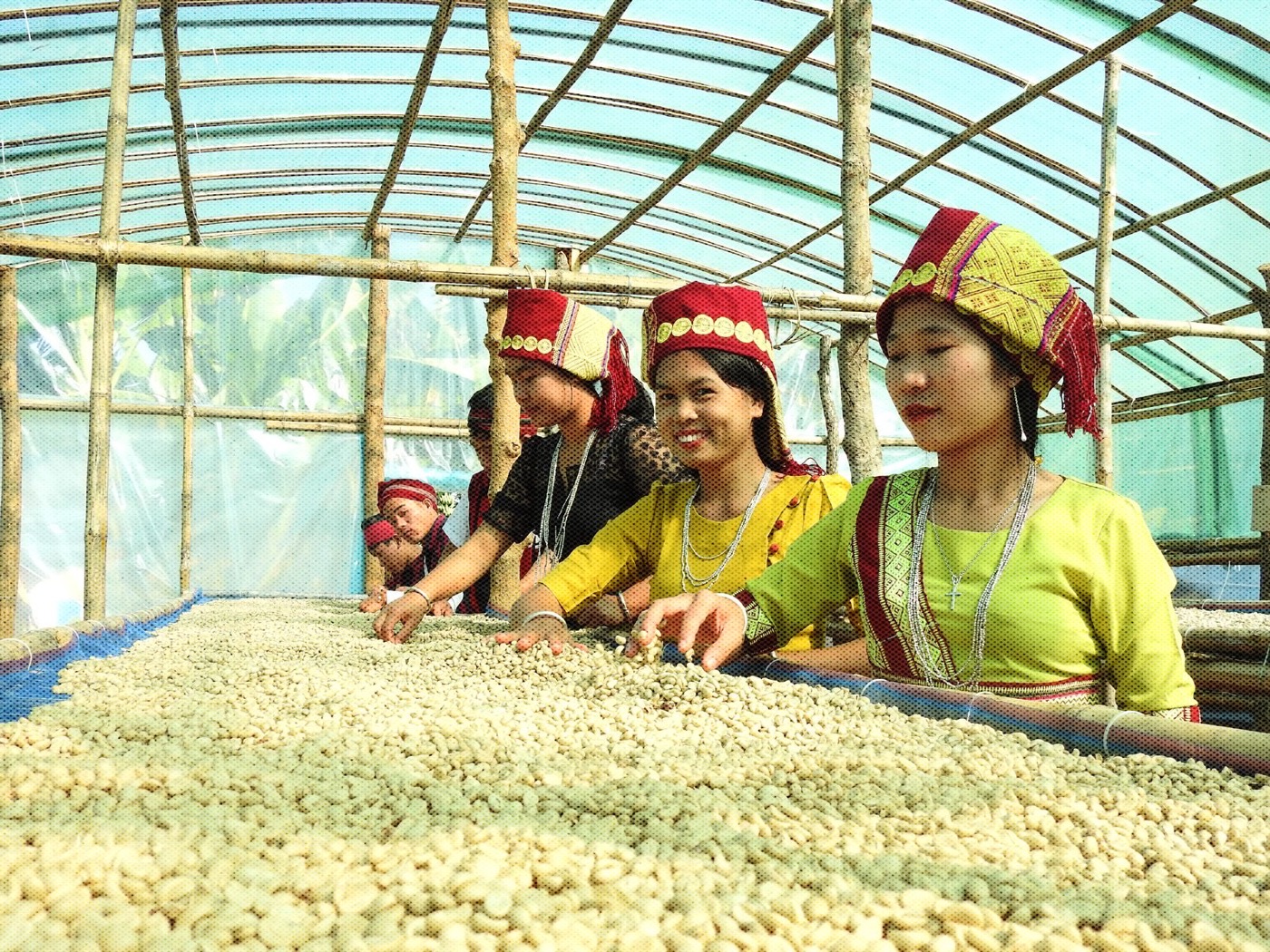
High in the forested Arakan Mountains of western Myanmar, coffee grows under a living canopy shared with the endangered western hoolock gibbon. These canopy-dwelling primates rely on dense, undisturbed forest cover to survive. To protect this fragile ecosystem, NoFilter partners with Fauna & Flora and the Asho Chin Coffee Association (ACCA). Together, we support shade-grown harvests that are certified Wildlife Friendly and PGS Organic — turning sustainable coffee production into a direct line of defence for critical watershed forests while strengthening local Asho Chin livelihoods.
The buffer zone of Batang Gadis National Park, where tigers, tapirs and hornbills still move through the forest.
At the edge of Sumatra’s Batang Gadis National Park, ancient rainforest gives way to traditional coffee farms. This crucial buffer zone remains a vital corridor for some of the island’s most iconic species — where Sumatran tigers, Malayan tapirs, and hornbills still move through the forest. To safeguard this boundary, NoFilter partners with the Sumatra Rainforest Institute (SRI) to source coffee cultivated by smallholders farming alongside the park’s edge. By returning a dedicated conservation share from every sale back into local programmes, each roast directly supports forest protection and sustainable livelihoods at the frontline.
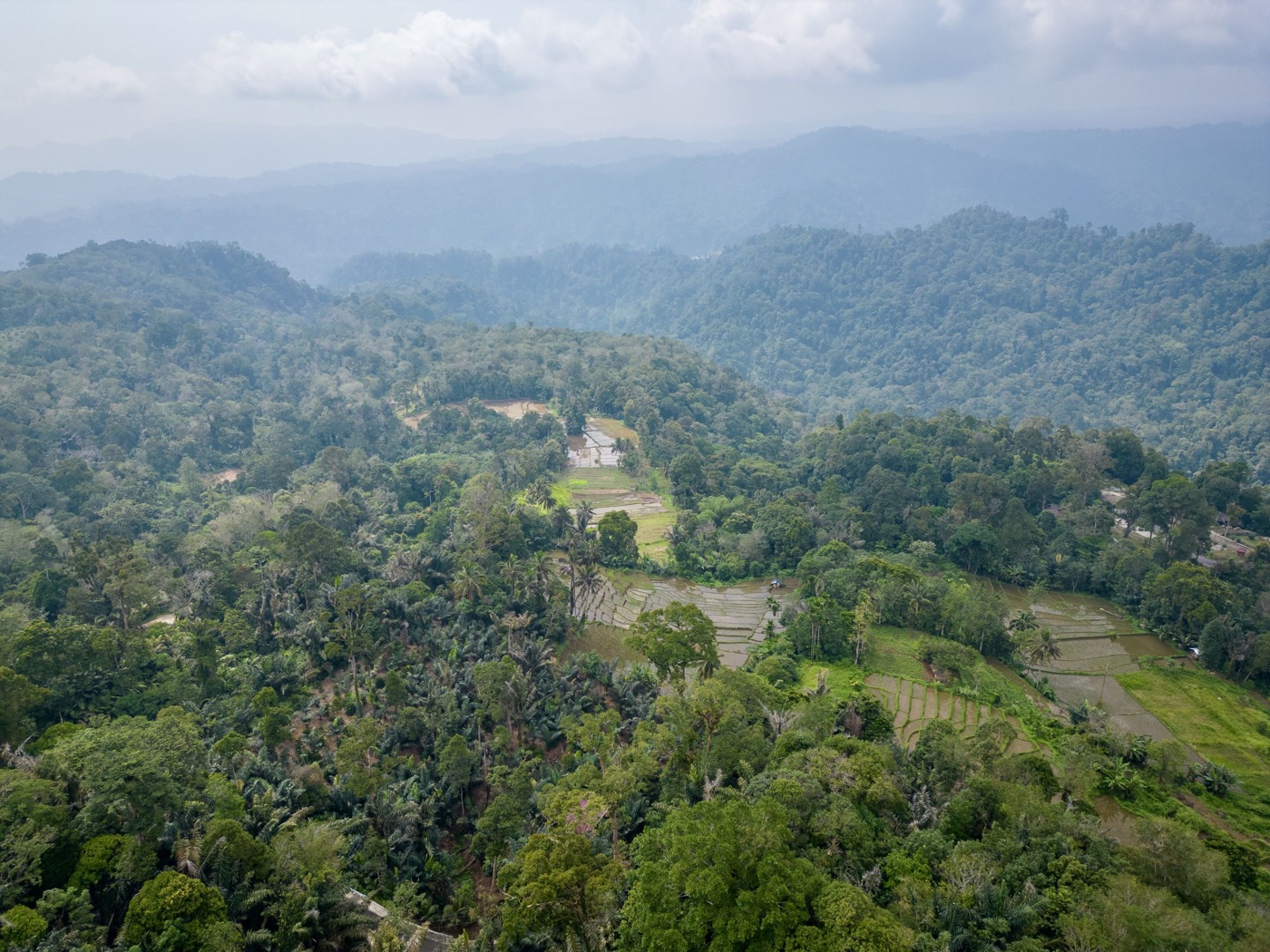
On the edge of the Leuser Ecosystem — the last place orangutans, tigers, elephants and rhinos still share one landscape.
Nestled at the heart of Sumatra’s Leuser Ecosystem, Gayo Lues sits on the boundary of the only place on Earth where wild orangutans, tigers, elephants, and rhinos still share a single landscape. Protecting this megafauna realm relies on giving forest-adjacent communities legal authority over their native land. Through a two-decade partnership with local NGO YOSL-OIC, three local communities have secured legal guardianship of 2,000 hectares of village forest (Hutan Desa). With the groundwork laid and our inaugural coffee shipment landing this September, NoFilter helps turn community forest stewardship into a sustainable, long-term conservation economy.
Protecting the forest line takes money, not marketing. We lock three rules into every order — calculated before margin, printed on every invoice, and tracked on record. Here is the arithmetic under it.
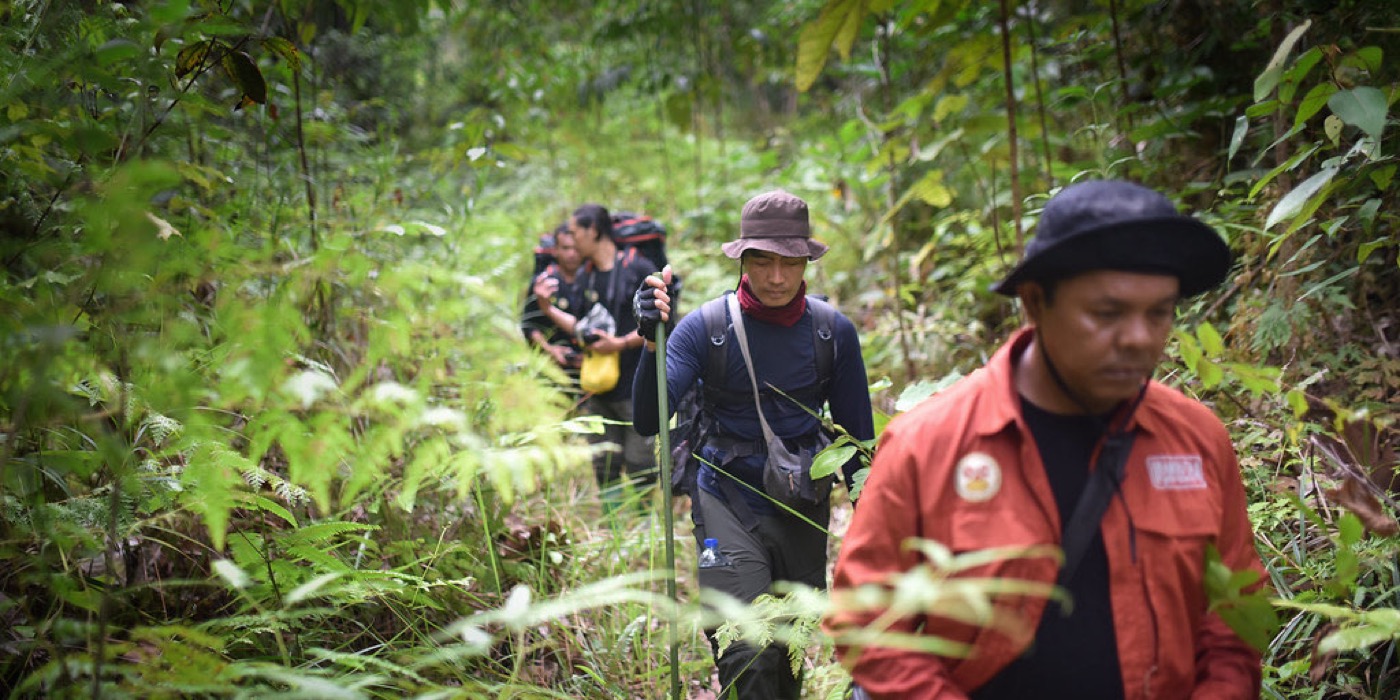
Anyone can say a forest is standing. These are the four independent checks that make us able to prove it — a mapped boundary, a satellite pass against that boundary, a seasonal flight over it, and a partner on the ground who signs. Two run today. Two are being built, and we would rather show you the gap than shade it in.
Each coffee plot, its buffer, and the primary forest beyond are mapped as GPS boundaries — partner-signed and held as data.
Enrolled in Global Forest Watch. Weekly radar and optical passes flag canopy change independently of anything we say.
Low-altitude passes over the boundary itself, at a resolution satellite cannot reach. Not live yet — and we won't claim it until it is.
Field photography, camera traps and partner attestation tied back to the same polygon IDs. Rolling out through 2026.
The impact you can point to
SGD — to date
Whether it's employees at their desks, guests in your lobby, or visitors passing through your gates—the coffee you pour sends a clear signal.
NoFilter turns a routine expense into a live, verifiable conservation commitment. Something your people see on the wall, trace to a boundary, and respect in the cup.
NOFILTER · LIVE IMPACTRAISED FOR CONSERVATION—SGD · TO DATE> POS —
The counter is wired to purchase volume, not to a marketing target. If the office drinks less, the number moves slower. We would rather it be honest than impressive.
03 · the unit
You’re already pouring it, and someone is already invoicing you for it. The only question is where that money actually lands. With NoFilter, every cup funds land protection alongside our NGO partners — enforced by contract, not written as a pledge.
Set your volume below to see your yearly impact.
On-site proof
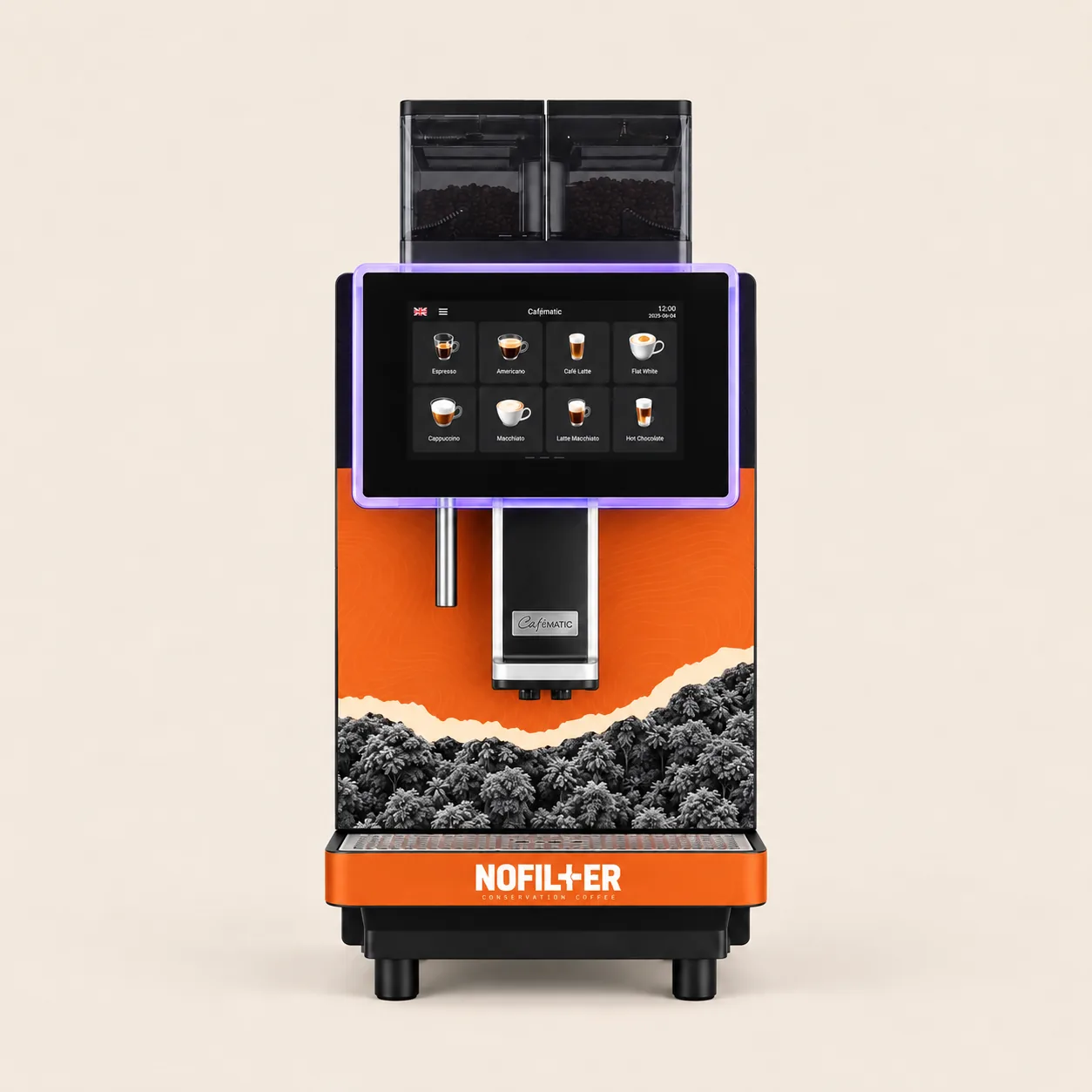
Before anyone takes a sip, your counter is already saying something about what you value. A machine in full Hold The Line livery, grinding whole beans for every cup, next to reusable 1 kg bags carrying the origin it came from — it turns the daily pour into the thing people ask you about, in any venue, without anyone having to raise it.
The counter
A live counter mounted right where the coffee is poured, carrying your name alongside ours. It ticks up with every cup — no dashboard to log into, no figure buried in a PDF at the end of the year. Physical proof that guests, visitors or staff can read from across the room.
Evidence map
Every origin is mapped against official government conservation boundaries and cross-checked with our NGO partners on the ground. Each one is blended from lots we can put a coordinate on, so the map — not a batch number — is the record. Two of the four layers are live today; the other two are dimmed until they are. Open the evidence map →
Servicing
Zero maintenance admin for your team. Three weeks before a scheduled service the system proposes a date to your venue manager and to the technician at the same time. One click each locks it into both diaries. If anyone goes quiet it chases them twice, then escalates to us — never to you.
[ Standard issue ]
No tiers, no hidden fees, no optional add-ons. Every feature, circular programme and conservation effort below is built directly into your contract from day one.
One invoice, not five suppliers. Hardware, roasts, servicing and consumables — powders, fresh milk, the lot — plus barista-run cart events when you want them, each named line by line with the NGO allocation split out.
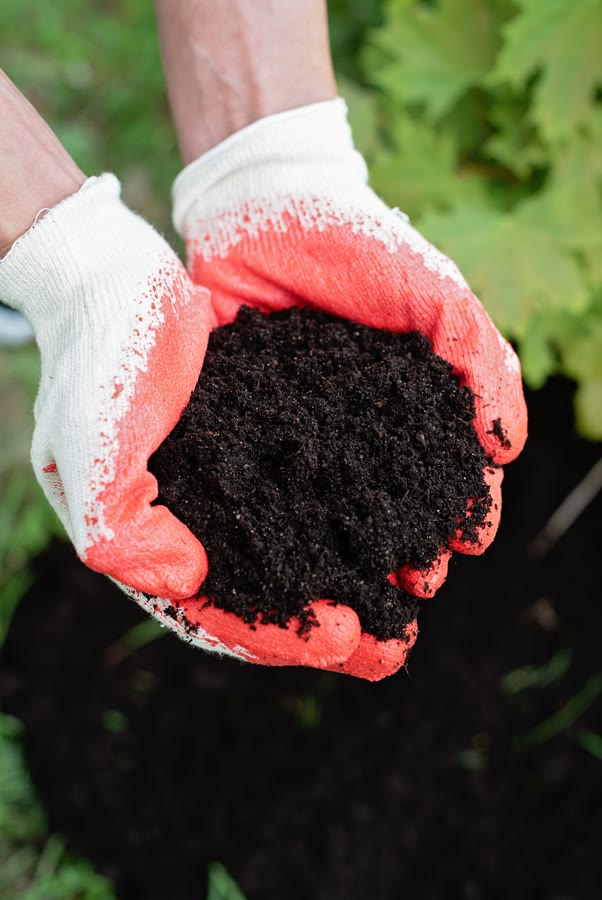
Closed-loop waste collection at no added cost. Spent coffee grounds are hauled away and composted locally in community gardens — zero to landfill.
Active rainforest restoration built into every account. Direct tree planting in the Cinta Raja corridor at zero extra charge.
Four single-origin roasts, each pinned to an active forest boundary your team or guests can inspect live via the satellite layer.
Scaled to the venue, from 10 to 500 people a day. Buy the machine or lease it — both are modelled in the builder.
Chain of custody documented to GPS-located lots, on the same invoice — the data your reporting needs, handed over rather than chased.
Modelled end to end in the live quote builder, with every figure shown as it is worked out. No hidden fees.
Priced transparently in SGD or AED, ex GST, to fit the way your finance and procurement teams already work.
| Machine | For | Spec | From |
|---|
| Task | Interval | Next due | In |
|---|
Intervals are the standard NoFilter plan. Dates are computed from today's date in your browser — indicative, not a contract.
No sales call to see a number. The console gives you machines, coffee and the conservation contribution in about two minutes.
OPEN THE CONSOLE →Four verification layers, two live today, two dimmed until they are.
VERIFICATION →Configure equipment, coffee volume, and servicing for your space in under two minutes. Real wholesale pricing and live conservation metrics—calculated instantly without waiting for a sales call. Enter your work email to unlock the terminal.
On its way to your work address. It is good for the next half hour. Type it into the terminal on the next screen — it is not shown here, and it never will be.